Spring Tulips Daisies Violets Pattern
A Hand-Drawn Repeat That Breathes—Not Just Decorates
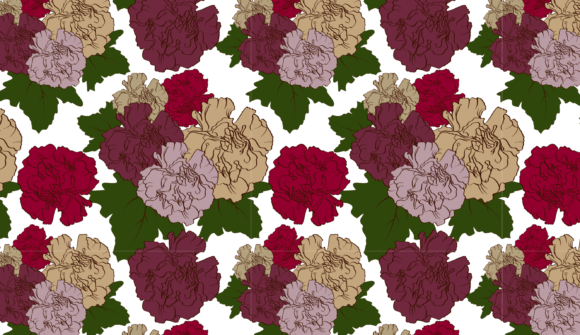
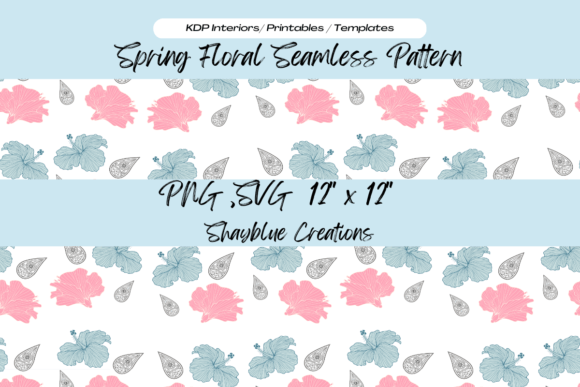
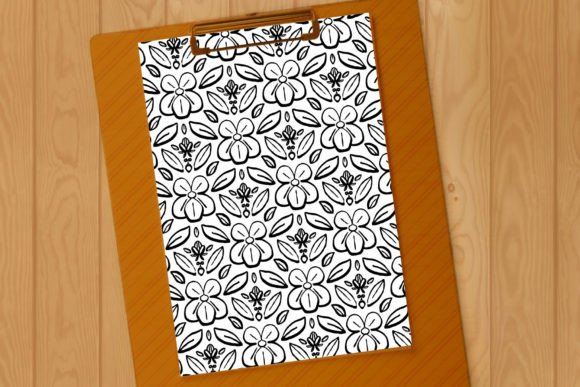
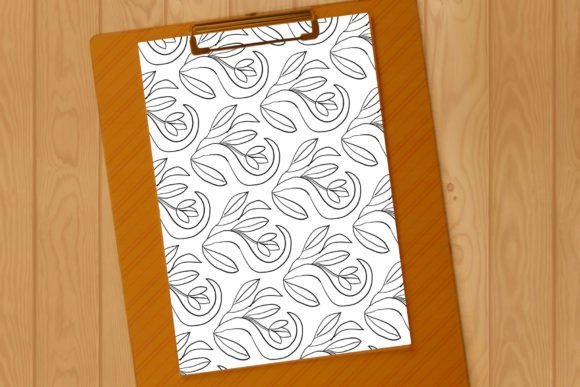
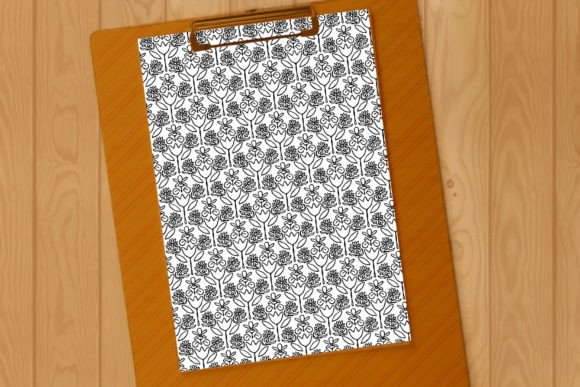
First impression? This isn’t a stiff, symmetrical wallpaper repeat—it’s a gentle, breathing rhythm. The Spring Tulips Daisies Violets Pattern feels like something sketched on a sunlit kitchen table: loose but intentional, playful but precise. Those offset triangles of daisies, tulips, and violets aren’t tightly packed—they float in white space, their outlines clean and closed, leaving room for fabric texture and stitch breathability. As an embroidery designer who’s stitched hundreds of floral repeats, I immediately sensed its quiet confidence: it doesn’t shout; it invites closer looking. That makes it ideal for projects where subtlety equals sophistication—think linen tea towels for a boutique café, organic cotton baby onesies, or the back panel of a minimalist embroidered tote bag.
Where It Shines in Real Embroidery Projects
I tested the Spring Tulips Daisies Violets Pattern as part of a custom order: a set of three matching pillow covers for a client launching a small home goods line. We used medium-weight cotton-linen blend fabric with a light tear-away stabilizer and 40-weight rayon thread. The result? Crisp, graceful outlines that held shape without stiffness—even across seams and corners. Because the design is built from open, closed-outline shapes (not dense fill-stitch blocks), it stitched quickly, stayed lightweight, and avoided puckering on curved edges like pillow corners.
It works especially well for:
- Custom apparel: On a crewneck sweatshirt, the pattern reads clearly at 3.5" wide—no detail loss, no thread nesting. Perfect for sleeve cuffs or chest accents.
- Baby embroidery: Its soft geometry and generous spacing mean it won’t feel scratchy or overwhelming on delicate newborn bodysuits or burp cloths.
- Embroidered patches: As a standalone motif or repeated border, it translates cleanly to iron-on or sew-on patch formats—no tiny interior cutouts to snag during finishing.
- Holiday and wedding gifts: Paired with neutral thread (ecru, sage, dusty rose), it carries springtime warmth without seasonal cliché—ideal for bridal shower towels or Easter aprons.
- Etsy listings and craft fair products: Because it’s SVG-based and hand-drawn, it scales beautifully for printable mockups—so your digital preview matches the finished product’s charm.
Where to Pause—and Plan Ahead
This isn’t a one-size-fits-all repeat. Its elegance depends on thoughtful execution. Avoid using the Spring Tulips Daisies Violets Pattern on:
- Stretchy fabrics (like jersey or rib knits) without proper cut-away stabilizer—those open outlines can distort if the base shifts.
- Dark or heavily textured fabrics without testing contrast first. Since it’s black-and-white line art by nature, thread color choice becomes your most expressive tool—not the file itself.
- Curved surfaces like caps or beanies unless you reduce the repeat scale. Full-size triangles may warp near the crown seam; consider cropping or rotating the tile for better flow.
- Tiny hoop sizes under 4”: The triangular composition needs breathing room. At under 2.5”, daisies and violets begin to blur into abstract shapes—losing their botanical identity.
- Frequent-wash items like kids’ tea towels or kitchen linens: confirm stitch density with your digitizer. Light running or satin stitch outlines hold up well—but avoid over-digitizing fine interior details that could fray.
What It Adds to Your Handmade Product—and Your Brand
Customers don’t just buy embroidery—they buy intention. The Spring Tulips Daisies Violets Pattern signals care: hand-drawn, balanced, unhurried. When stitched onto a handmade apron or personalized baby blanket, it elevates perceived value—not through complexity, but through coherence. Buyers notice that. Etsy sellers report higher engagement when product photos highlight subtle repeat rhythm instead of busy filler. And for small shop owners building consistent branding, this pattern serves double duty: use it full-repeat on packaging liners, then crop a single triangle for tags or social media watermarks. It’s flexible design infrastructure—not just decoration.
Practical Designer Notes Before You Stitch
Before committing to a client project or bulk production:
- Test the Spring Tulips Daisies Violets Pattern on scrap fabric *exactly* like your final material—same weight, weave, and stretch.
- Check thread color contrast on both light and dark backgrounds. A single outline design lives or dies by visibility.
- Review stitch density with your digitizer. SVG files need expert conversion for embroidery—don’t assume auto-digitize will honor the white space.
- Confirm hoop size compatibility. Offset repeats often require repositioning—plan for seamless tiling or intentional “cut-off” edges.
- Inspect small corners and petal tips at 200% zoom. Are they sharp enough to digitize cleanly—or do they need slight rounding for stability?
- Use black-and-white mockups early. Since the source is monochrome, color decisions happen downstream—get alignment right before thread selection.
- Verify licensing terms. As a digital embroidery file, its use in commercial embroidery or resale of finished products depends on permitted usage—not assumed rights.
Final Thought: A Pattern With Quiet Confidence
The Spring Tulips Daisies Violets Pattern won’t dominate a garment—but it will linger in memory. It’s the kind of design that makes customers pause mid-scroll, tilt their head, and say, “I want to know who made this.” That’s the mark of strong design assets: not flash, but resonance. For embroidery designers, Etsy sellers, and creative entrepreneurs building meaningful handmade products, it’s less of a “floral filler” and more of a signature whisper—ready to be stitched, scaled, softened, or sharpened, always staying true to its hand-drawn heart.